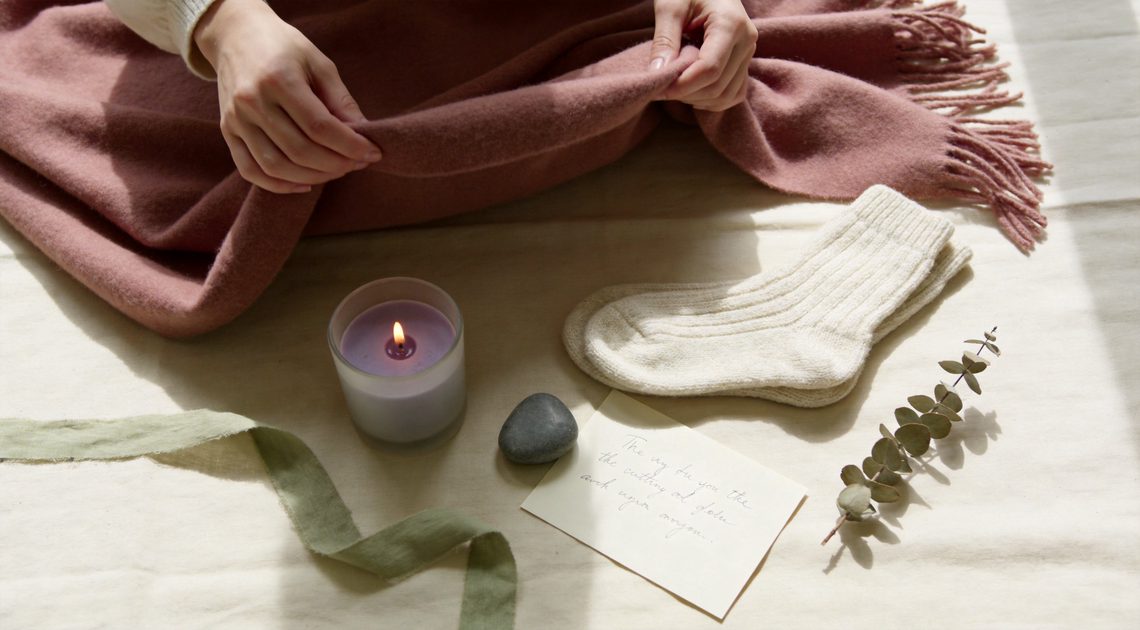
Recovery is rarely a straight path. It curves. It doubles back. Some days feel lighter — almost normal. Other days pull the ground out from under you without warning. Whether someone is healing from illness, navigating the aftermath of loss, or slowly finding their way through emotional exhaustion, the journey is deeply personal and often deeply solitary.
In those seasons, the right gift can make a quiet but meaningful difference. Not as a solution. Not as a distraction. But as a gentle presence — something that says: I'm here. Take your time. You don't have to do this alone.
The most thoughtful recovery gifts for emotional support aren't about fixing anything. They're about showing up with tenderness, patience, and genuine care.
Presence Over Problem-Solving
When we see someone we love struggling, there's a natural instinct to want to help — to offer advice, to find solutions, to make it better. But emotional recovery rarely responds to problem-solving. What it responds to, more than anything else, is presence.
The best healing gifts understand this. They don't try to push the person toward feeling better. They don't insist on silver linings or forced optimism. Instead, they sit beside the person in their current reality and offer comfort without condition.
A weighted blanket that provides the gentle, grounding pressure of a hug on days when the world feels overwhelming. A soft cashmere eye mask paired with a silk pillowcase, inviting the kind of deep, restorative rest that emotional processing demands. A simple, beautifully crafted mug filled with calming herbal teas — chamomile, lemon balm, passionflower — each blend chosen for its ability to soothe a tired nervous system.
These gifts don't ask for progress. They offer permission to simply be where you are.
Comfort That Meets the Body
Emotional pain often lives in the body — in tight shoulders, in shallow breath, in the deep exhaustion that no amount of sleep seems to touch. That's why some of the most comforting recovery gifts are the ones that address the physical experience of emotional struggle.
A hand-poured aromatherapy candle infused with grounding scents like cedarwood, frankincense, or clary sage can fill a quiet room with something calm. A warm bath soak made with Epsom salts and lavender essential oil invites muscles to release what they've been holding. A soft linen throw, draped over a favorite chair, becomes a small sanctuary — a place to curl up when the world feels like too much.
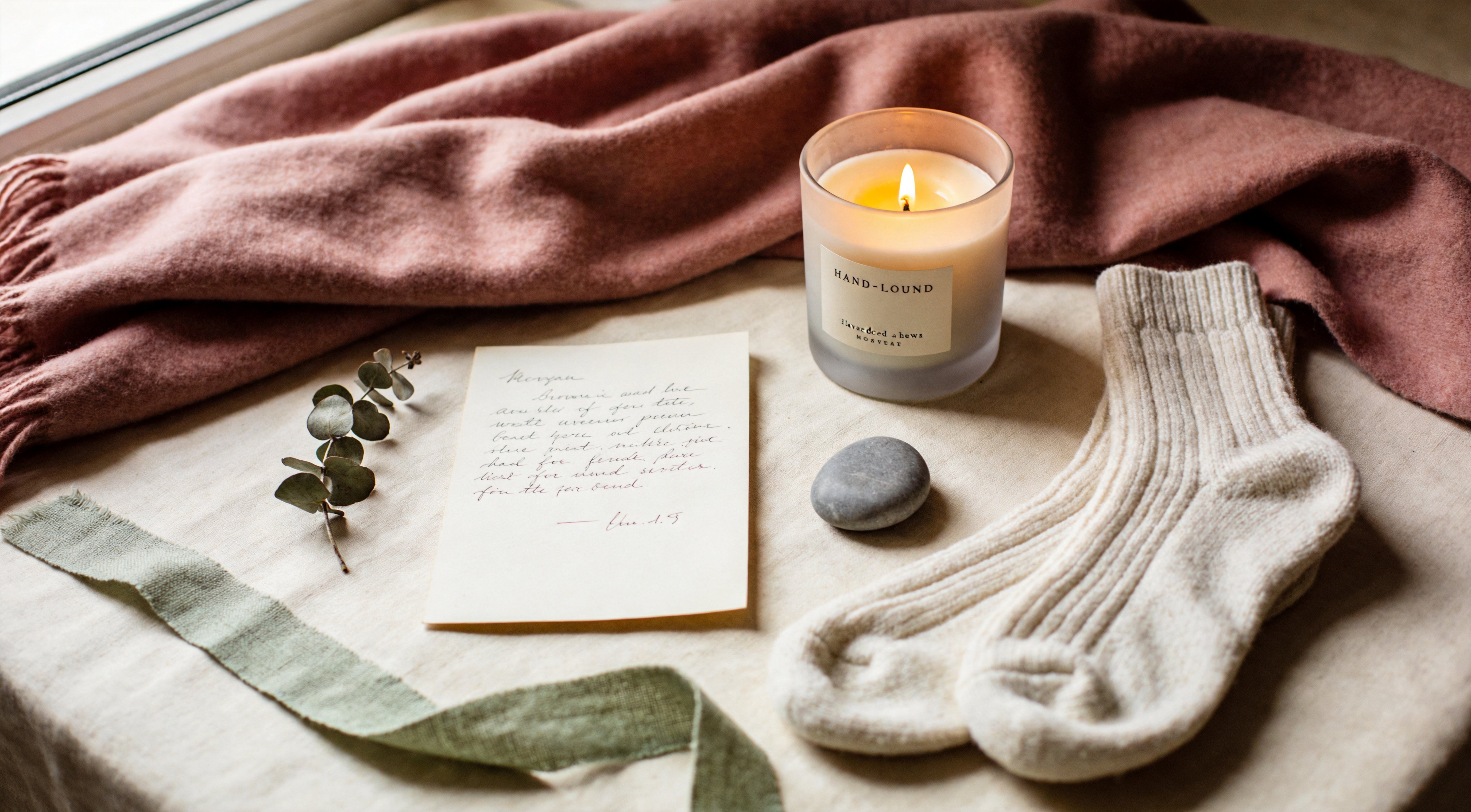
These are gifts that speak to the body's need for gentleness. They acknowledge that emotional recovery isn't just a mental process. It's physical too — and the body deserves care while the heart heals.
The Power of Quiet Ritual
When life feels uncertain, small rituals can become lifelines. A cup of tea made the same way each morning. A candle lit at dusk. A few minutes spent writing in a journal before bed. These tiny acts of consistency offer something precious: a sense of stability when everything else feels unsteady.
Emotional support gift ideas that encourage gentle ritual can be especially meaningful. A guided journal designed not for productivity but for self-compassion, with prompts like what do you need right now? and what felt even slightly okay today? A beautiful ceramic tea set, accompanied by a selection of loose-leaf teas and a note that says pause here when you can. A simple meditation cushion, offered with the suggestion that even three minutes of stillness can be an act of self-kindness.
These gifts don't demand discipline. They invite small moments of presence — and those small moments, over time, can become the foundation of healing.
Symbols That Carry Quiet Strength
For someone moving through emotional recovery, a symbolic gift can serve as a touchstone — something to hold onto during moments when words of reassurance feel far away.
A delicate necklace with a small anchor charm can represent steadiness amid turbulent waters. A smooth worry stone, small enough to slip into a pocket or hold in the palm of a hand, can provide tactile grounding during anxious moments. A small potted plant — a peace lily, a resilient succulent — can stand as a living reminder that growth continues, even when it's invisible.
These thoughtful recovery gifts for emotional support don't announce their meaning to the world. They carry it quietly, worn close to the skin or placed on a bedside table, ready to offer comfort whenever it's needed.
Gifts That Say "Take Your Time"
One of the most compassionate messages you can offer someone in recovery is simply this: there is no rush. In a world that often demands quick bounce-backs and relentless resilience, the permission to heal slowly can feel like a gift in itself.
A beautifully written book of poetry or short essays — something that can be picked up and put down without pressure, offering companionship in small, digestible portions. A subscription to a wellness or tea delivery service that arrives monthly, a recurring reminder that someone is thinking of them long after the initial crisis has faded from others' minds. A handwritten letter, sealed and delivered not in the first week of struggle but in the third or fourth — when the world has largely moved on, but the person healing still needs to know they're not forgotten.
These gifts honor the long arc of recovery. They say: I know this takes time. And I'll be here, all along the way.
The Quiet Gift Philosophy
At Gifted With Meaning, we believe that gifts for emotional support should arrive without pressure. They should not demand gratitude. They should not impose expectations. They should simply show up — chosen with love, wrapped in gentleness, and offered with the quiet hope that they might bring even a small moment of comfort.
So if someone you care about is in the midst of recovery, don't worry about finding the perfect thing. Focus instead on the message you want to send. Let it be simple. Let it be sincere. Let it be a soft, steady reminder that they are seen, they are loved, and they are not walking this path alone.



Letters
No letters yet — be the first to write.